 中文
中文 English
News
Many of the items we use in our daily lives are in the form of dust-free powder. From infant formula to certain medications, many products cannot withstand the standard dehydration process and require special procedures to be converted into powder form. This special procedure is called spray drying.
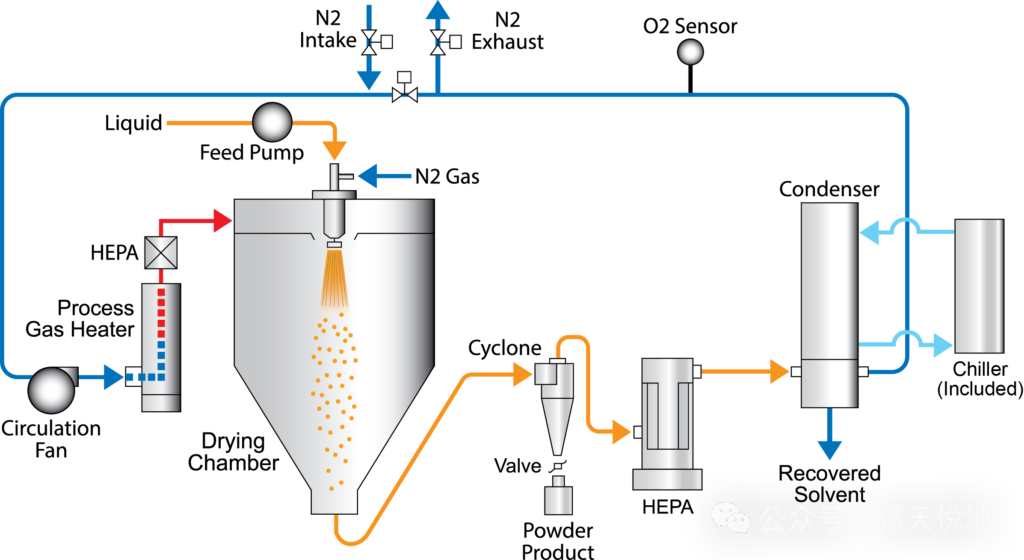
This process involves dispersing the liquid or slurry into hot, dry gas to obtain a powder with a uniform particle size distribution. Ordinary air or inert gas may be used during this process. For example, ethanol and other products that react with oxygen can be treated with hot nitrogen gas instead of air.
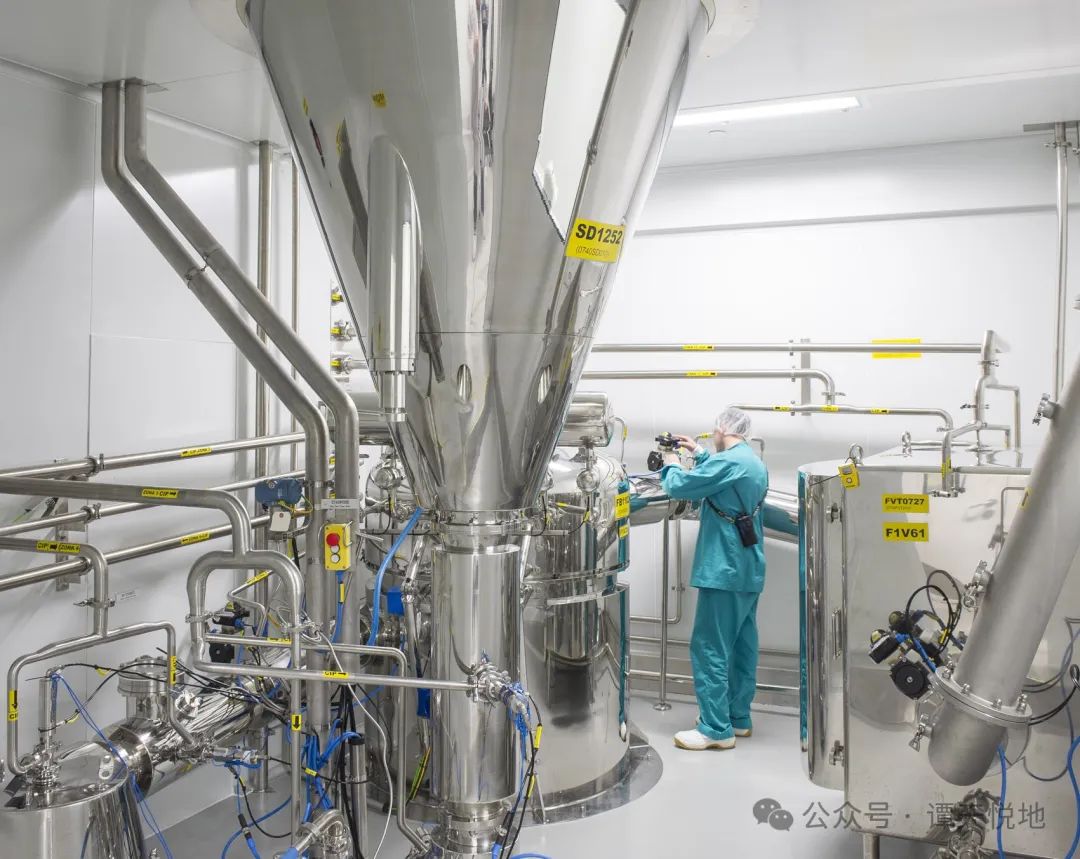
In spray drying equipment, various atomizers or nozzles are used to break liquid or slurry into atomized droplets with very small particle size.
Single fluid high-pressure vortex nozzles and rotary disc nozzles are the most commonly used types of nozzles. A wider particle size distribution can be achieved through atomization wheels, but regardless, consistent particle size can be achieved in both methods.
By using specific nozzles in specific processes, 10 to 500 can be obtained μ The droplet size between m. 100 to 200 μ The diameter range of m is the most commonly used particle size.
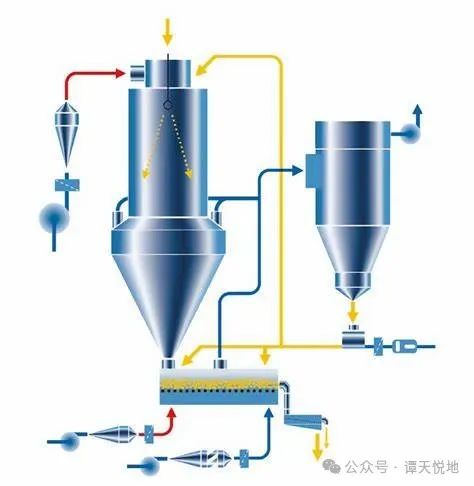
Main factors affecting spray drying
Import and export temperature
The temperature of spray drying chamber usually refers to the temperature of hot air entering the tower. Drying temperature is the most important factor affecting the physical and chemical properties of spray dried powder.
The moisture content of the formed powder is determined by the spray drying temperature. When the spray drying temperature increases from 120 ℃ to 200 ℃, the water in the dried powder can be reduced from 5.29% to 3.88%.
The particle size of spray drying products also depends on the inlet temperature of hot air. The increase in drying temperature leads to faster evaporation of water, which results in faster formation of microspheres without sufficient time to shrink, resulting in larger particle sizes.
As the inlet drying temperature increases from 138 ℃ to 202 ℃, the particle size of Brazilian berry powder increases from 13.38 μ M increased to 20.11 μ M. Similarly, the particle size of pomegranate juice powder significantly increases with increasing inlet temperature.
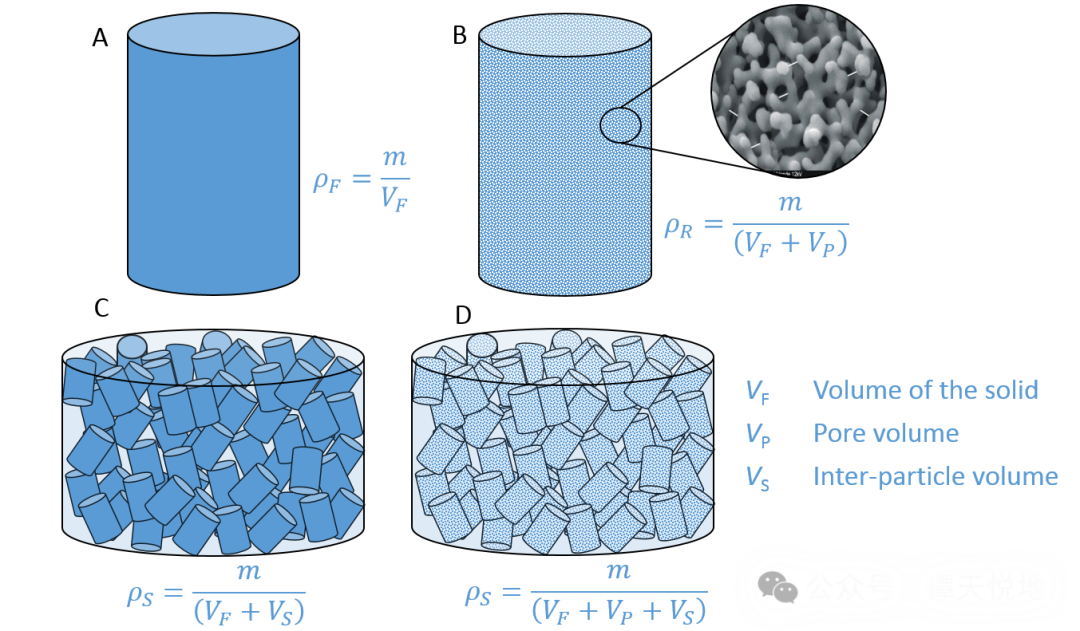
The bulk density of spray dried powder decreases with the increase of temperature. Larger particles may have hollow interiors or porous or fragmented structures due to higher water evaporation rates. Usually, porous or fragmented particles exhibit a lower packing density.
In addition, due to the negative correlation between particle moisture and drying temperature, and the higher density of water compared to most dry food solids, the bulk density of powder produced at higher temperatures is lower than that produced at lower temperatures.
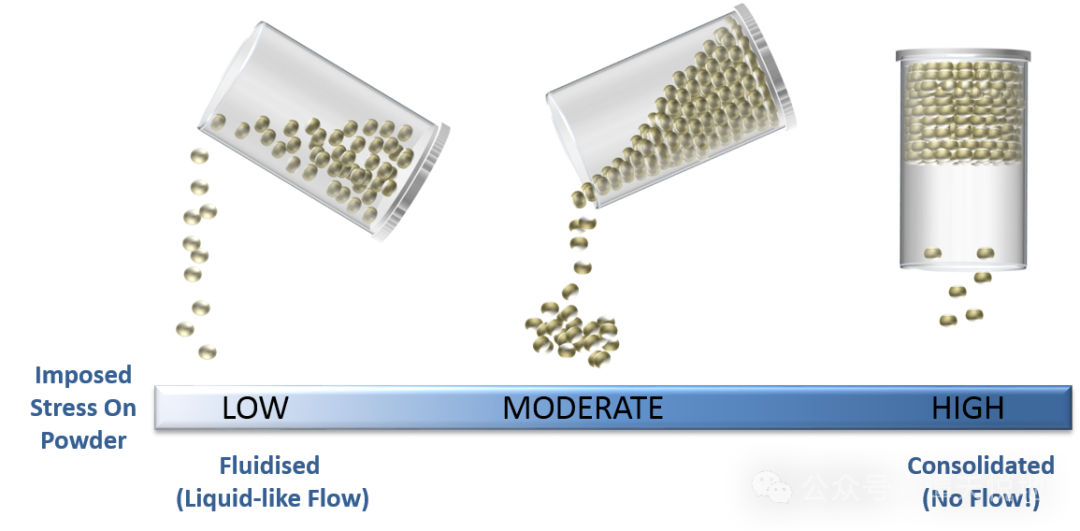
The fluidity of spray dried powder is also affected by drying temperature to a certain extent. With the increase of temperature, the fluidity will decrease.
This may be due to greater particle morphology variation caused by higher water evaporation rates, smaller surface contact angles due to porous or fragmented structures, resulting in increased friction between powder and surface and internal resistance between particles, leading to reduced fluidity.
Solubility is also an important quality characteristic of powder products, which can directly affect the reconstitution behavior of spray dried food. With the spray drying temperature rising from 120 ℃ to 160 ℃, the solubility of the powder increases.
Wall material
For substances rich in sugar, it is difficult to directly spray dry the juice and vegetable juice without embedding agent, and the wall material is the polymer that embeds the active ingredients in the spray drying process, which is one of the most important factors in spray drying.
In spray drying, the glass transition temperature and yield of wall materials can be increased, and the viscosity and moisture absorption of powder products can be reduced. Common wall materials include arabic gum, maltodextrin, gelatin, starch, pectin, methylcellulose, alginate, tricalcium phosphate, and their combinations.
The choice of wall materials mainly depends on the purpose of spray drying and the physical and chemical properties of processing materials. The wall material should be highly soluble in the process solvent and have sufficient film-forming ability to produce low viscosity solutions even at high concentrations.
For spray drying, they must have high molecular weight and high glass transition temperature to improve the viscosity resistance of the final product. They must be able to protect sensitive compounds from the effects of heat, oxygen, and light.
The commonly used wall material for spray drying is carbohydrate.
-
Starch and its derivatives (starch, maltodextrin, dextrin, and cyclodextrin)
-
Gum (gum arabic or mixture of gum arabic and wutong gum)
-
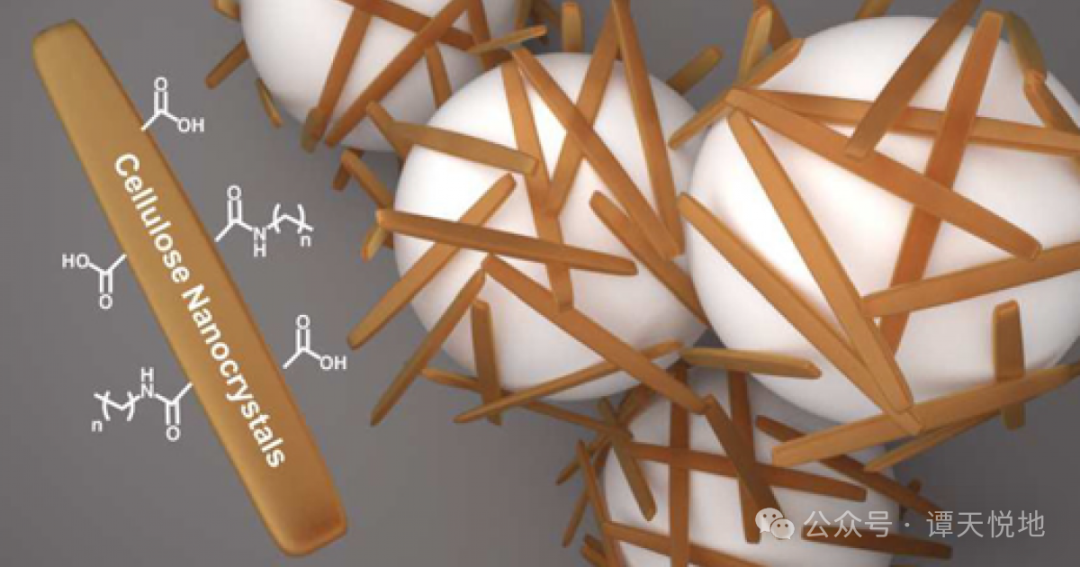
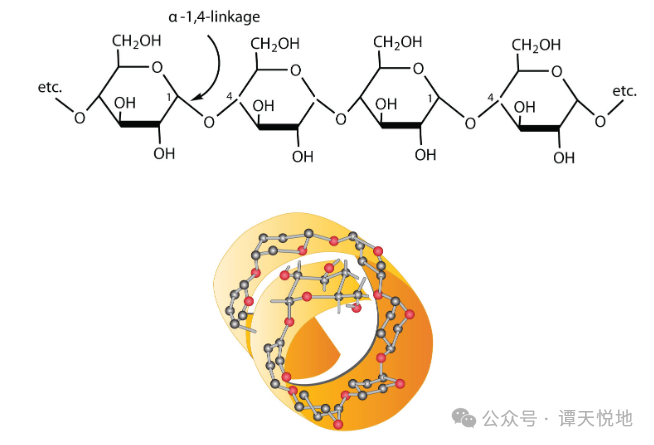
Cellulose and its derivatives (cellulose, carboxymethyl cellulose, and hydroxypropyl methyl cellulose, etc.)
Starch and its derivatives have good spray drying properties, such as high molecular weight and high glass transition temperature, are highly soluble in cold water with low viscosity, have viscosity resistance and can produce relatively dense powder.
However, starch lacks film-forming ability, which is very detrimental to drying efficiency, especially for the preservation of sensitive compounds.
Gum. Compared with starch, gum has better film-forming ability, but its glass transition temperature is relatively low.
Cellulose and its derivatives have good film-forming properties and surface activity, but are not easily digestible.
The combination of starch or starch derivatives and gum can improve the performance of spray drying, but the content of gum should be lower than that of starch or starch derivatives.
There are reports indicating that proteins, especially whey proteins, have excellent film-forming and nutrient retention abilities and are often used in conjunction with starch or starch derivatives.
Feed rate
In the process of spray drying, the feed rate is one of the important factors. The feeding speed determines the residence time of materials in the drying chamber, separator, and conveyor, and also affects the atomization of materials and the size of liquid droplets.
The feeding speed basically depends on the speed of the atomizer, and the higher the pump speed, the faster the feeding speed. However, higher feed rates can slow down heat transfer, making it difficult for droplets to fully dry and leading to wall sticking.
In addition, excessive feeding speed will lead to the phenomenon of liquid droplets directly falling into the drying chamber. This is because the hot air has been saturated, and high-speed liquid droplets cannot be fully atomized, ultimately resulting in a decrease in powder yield.
The higher feeding speed results in insufficient interaction time between the droplets and hot air, which increases the moisture content of spray dried powder.
Excessive feed rate is an improper operation to be avoided during spray drying. Excessive feeding speed is often an important factor for powder adhesion, moisture absorption, and blockage of pipelines. In addition to reducing powder yield, it also brings additional trouble to on-site cleaning.

If you have any comments or suggestions, please scan the QR code below to contact the editor. We would greatly appreciate your criticism and correction. I hope to discuss learning and communicate with everyone together. Your criticism will become the nutrition and motivation we need the most, thank you very much!